
A Market in Transition
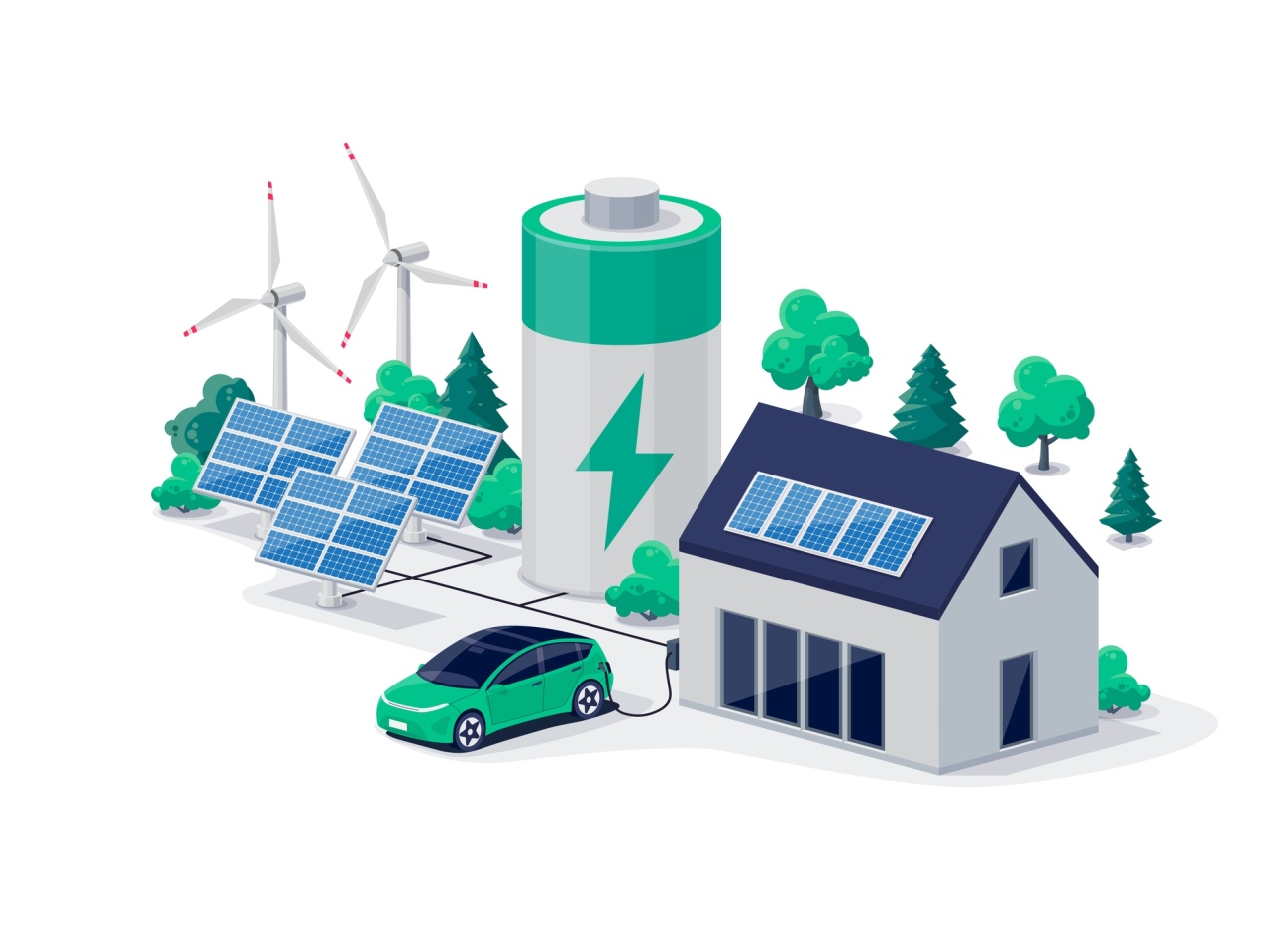
Over the past decade, Greece’s renewable energy sector has undergone a remarkable transformation.
From the solar boom that defined the early 2020s to today’s focus on flexibility and grid stability, the country’s energy landscape is evolving fast.
After years of record-breaking photovoltaic applications, reaching a peak of 45 GW in 2020, the market is now shifting toward the next major frontier: energy storage.
As solar and wind penetration increase, the Greek power grid faces the growing challenge of absorbing variable generation without sufficient balancing capacity.
This has made Battery Energy Storage Systems (BESS) and pumped hydro projects indispensable for ensuring grid reliability and enabling further renewable integration.
The New Strategic Target
In response, the Greek government has introduced one of the most ambitious storage plans in Southeast Europe.
According to the National Energy and Climate Plan (NECP), the country aims to install 4.33 GW of battery systems and 1.93 GW of pumped storage by 2030.
This vision reflects a strategic realignment: from expanding generation capacity to building the infrastructure that will make renewable power both dispatchable and dependable.
Already, the market momentum is impressive.
Within just three years, licensed BESS capacity has exceeded 24 GW, with projects categorized under 11A (without absorption) and 11B (with absorption) leading the surge.
These figures demonstrate a rapid reallocation of investor attention from standalone photovoltaic parks to hybrid and storage-backed developments.
A Surge of Interest and New Market Dynamics
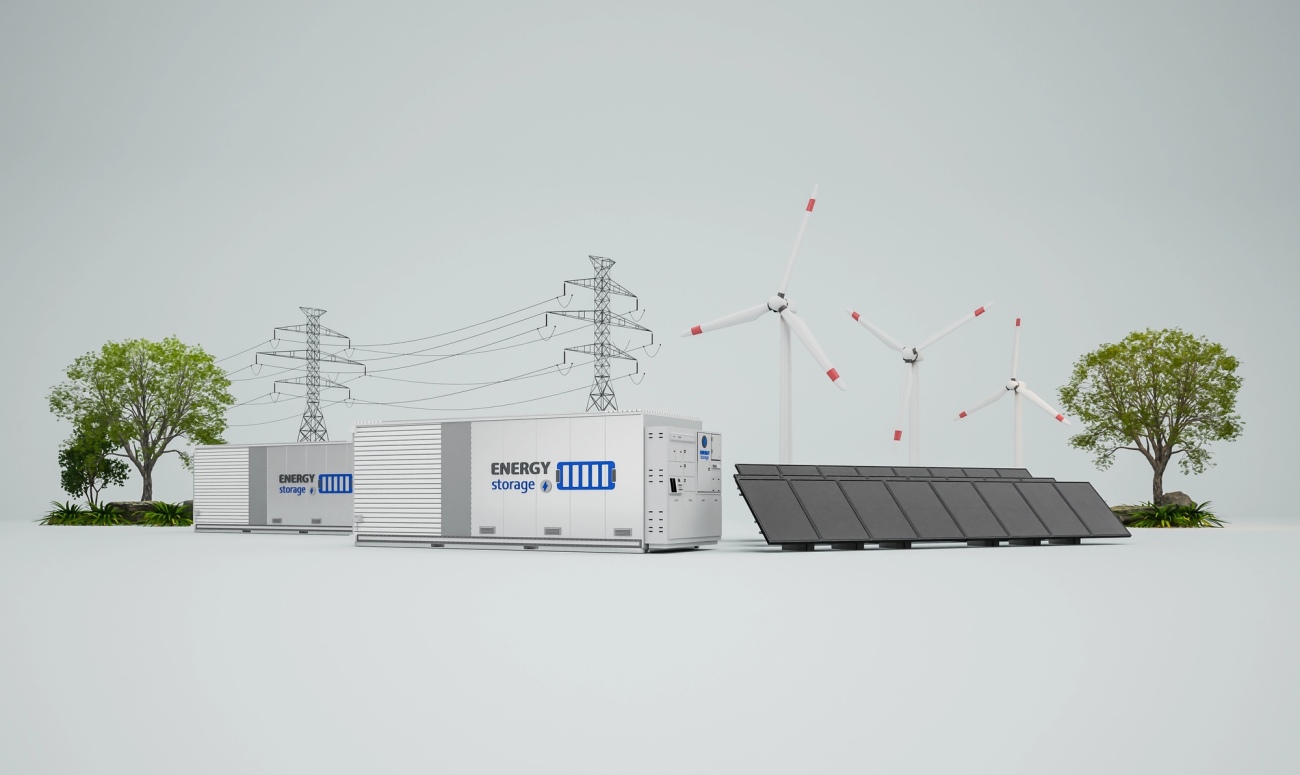
The latest invitation by the Ministry of Energy for the development of merchant standalone batteries has further energized the sector.
Applications surpassed 6.5 GW, well above the 4.7 GW cap, reflecting investor confidence in Greece’s long-term energy transition.
Unlike earlier subsidy-backed schemes, these merchant projects operate on purely commercial terms, motivated mainly by the priority grid access they offer.
This marks an important shift in market maturity.
Developers are now ready to compete under market-based mechanisms, exploring innovative business models around energy arbitrage, grid services, and balancing markets.
However, this enthusiasm also introduces new complexities, particularly regarding which of these projects will ultimately materialize.
Between Enthusiasm and Implementation
As several industry observers point out, the number of applications far exceeds the system’s real absorption capacity.
Many of these proposals may not translate into construction-ready projects.
Although individual investors were limited to 250 MW per developer under anti-concentration rules, they were allowed to submit multiple applications, enabling them to later select which projects to advance.
This flexibility, while encouraging participation, has also led to speculative overbooking.
A portion of applications comes from developers seeking to mature and resell projects rather than build and operate them.
Similar patterns were observed during Greece’s earlier solar surge, when thousands of licenses were granted but only a fraction were realized.
The Financing Challenge
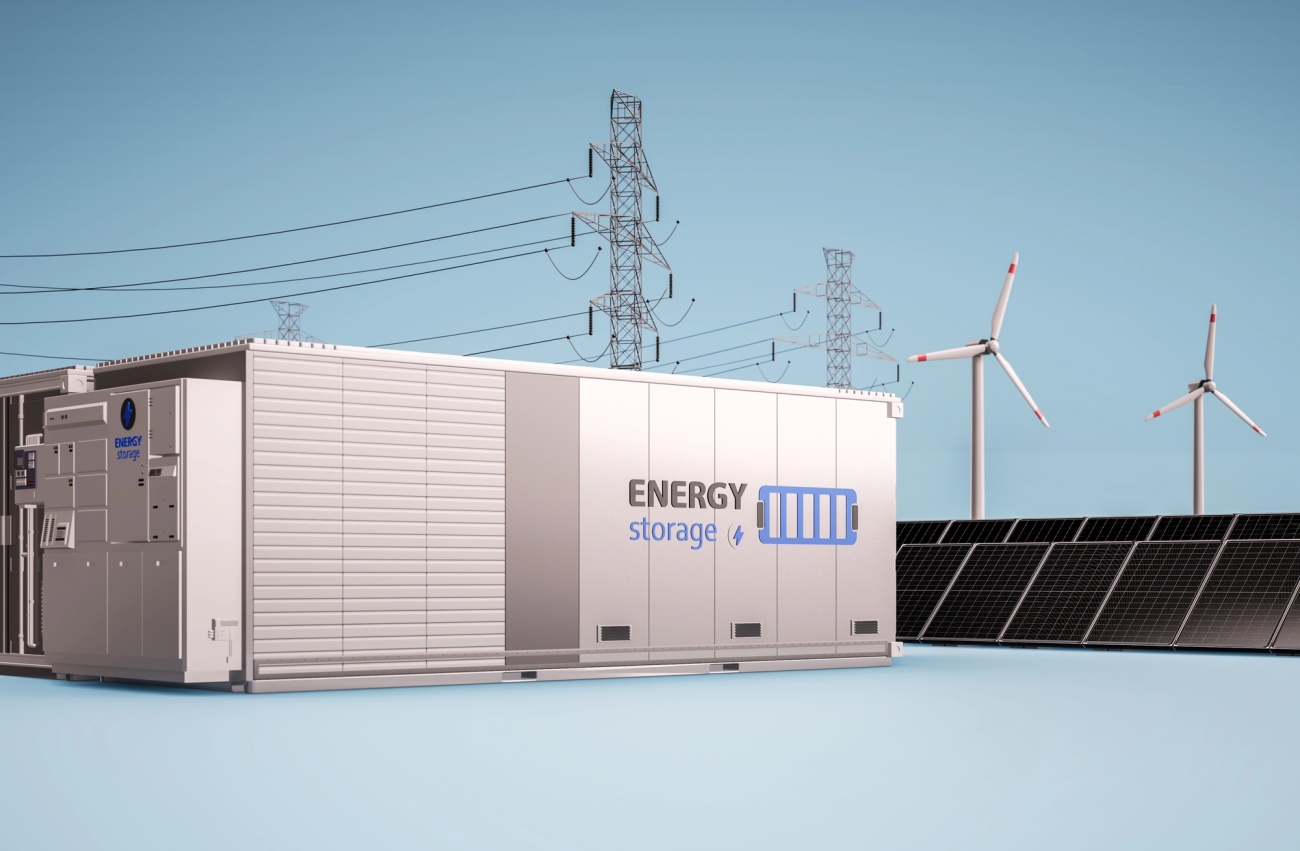
Another major bottleneck lies in project financing.
Despite the strong interest, Greek banks remain cautious about lending to merchant BESS ventures, mainly due to the uncertainty of future revenues.
Without long-term contracts or capacity mechanisms in place, the revenue streams of merchant batteries remain volatile and difficult to predict.
This means that while many developers may have secured preliminary loan approvals, few of these are expected to convert into binding financing commitments.
For the time being, only investors with strong capital positions and a high tolerance for market risk are likely to proceed to full implementation.
A Defining Decade Ahead
Despite these challenges, Greece’s big battery push represents a pivotal moment in the country’s energy evolution.
The shift from rapid renewable expansion to a focus on flexibility and storage shows that the market is maturing, moving from quantity to quality, from permits to performance.
The years ahead will be decisive.
Success will depend on strategic planning, technical excellence, regulatory clarity, and grid modernization.
If these elements align, Greece can become a regional leader in energy storage, setting an example for the broader Southeastern European energy transition.
In this sense, the story of Greece’s battery revolution is not merely about technology.
It is about balancing ambition with realism, ensuring that the impressive momentum seen on paper is transformed into tangible, resilient energy infrastructure capable of powering the country’s future.


